
News
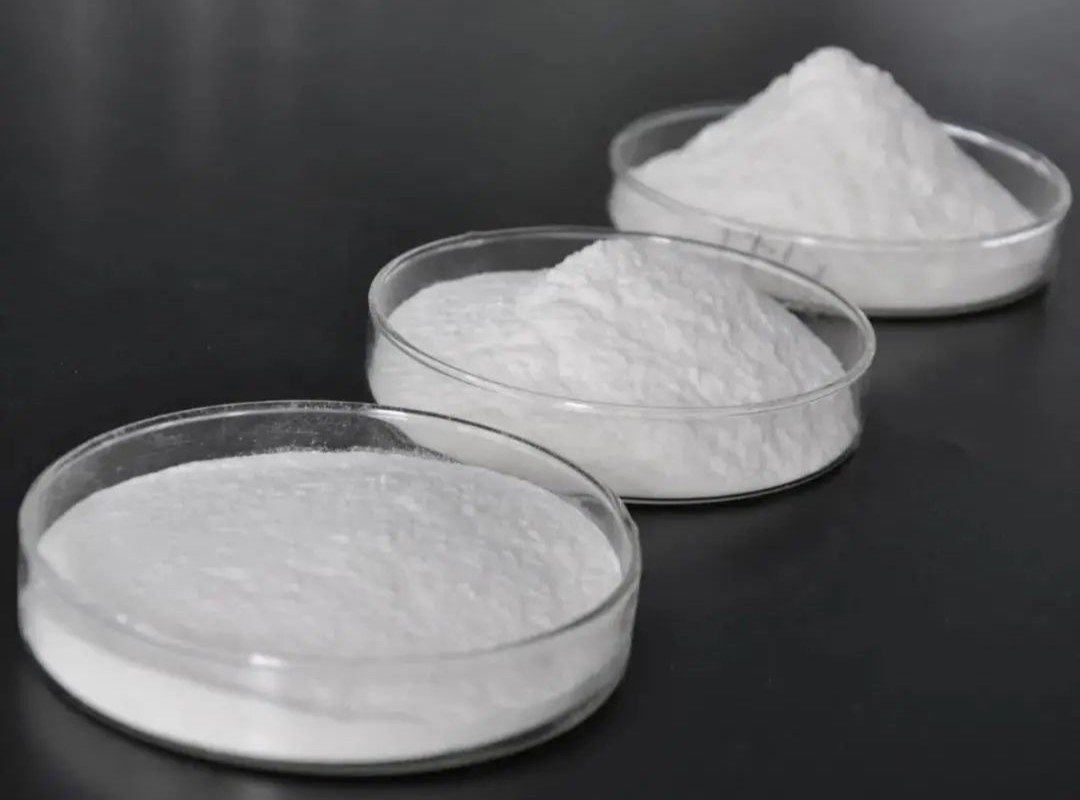
HPMC is a type of cellulose derived from natural materials such as wood pulp or cotton. The quality of the raw materials varies depending on factors such as purity, source, and processing methods. HPMC products manufactured from high-quality raw materials—which have undergone rigorous purification processes—command a higher price. The use of high-quality raw materials ensures the superior performance of the final HPMC formulation.
Product quality, duration of etherification, ash content, water retention rate, and shelf life all affect fundamental performance.
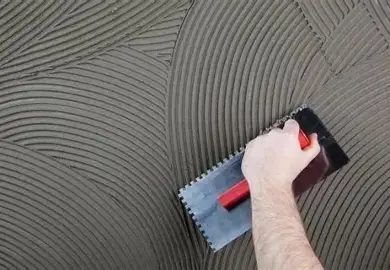
Traditional mortar, composed primarily of cement, sand, and water, suffers from poor adhesion to modern substrates and a tendency to become brittle after curing; these issues present challenges for contractors and quality concerns for building owners. Incorporating HPMC and RDP as additives into construction formulations can resolve these problems.
HPMC: Water resource management expert; RDP: A combination of flexibility and strength.
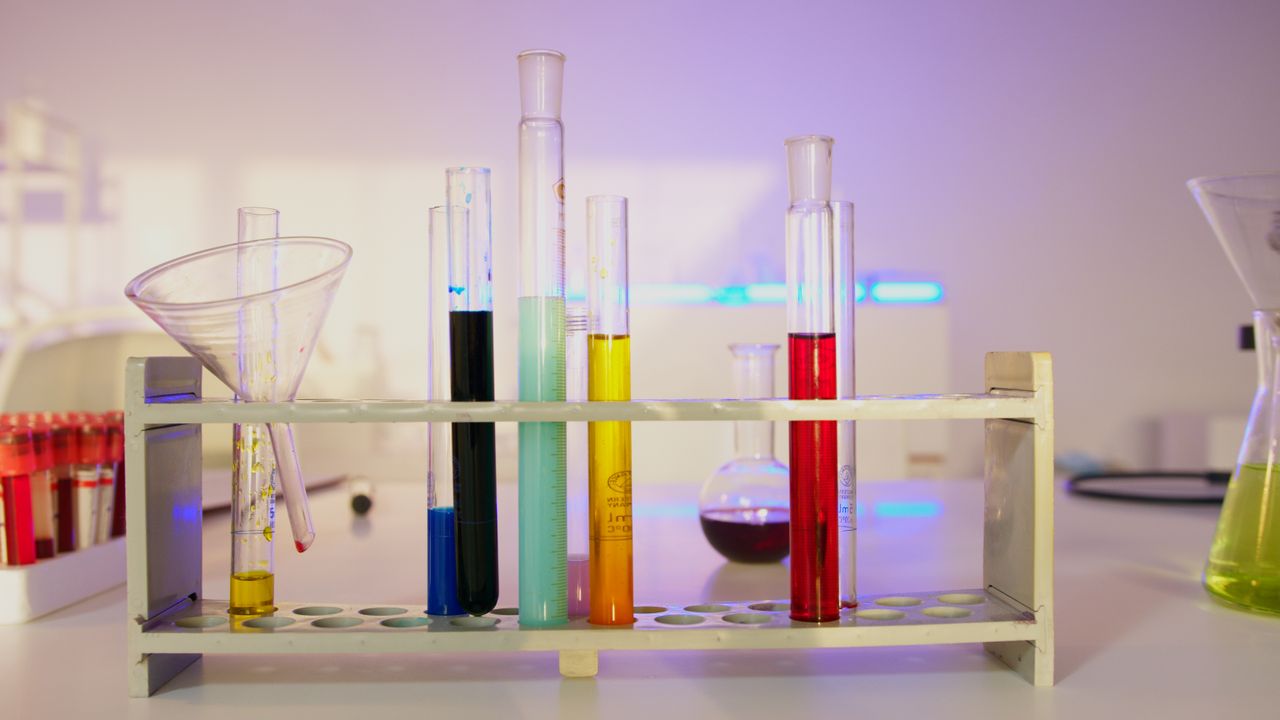
1. First, disperse the cellulose using one-third of the hot water, then add the remaining cold water to form a 2% aqueous solution.
2. Next, place it in the refrigerator to lower its temperature, then transfer it to a constant-temperature water bath and raise the temperature to 20°C.
Determination of hydroxypropyl methylcellulose viscosity
Operators must undergo specialized training and strictly adhere to operating procedures. It is recommended that operators wear self-priming filter-type dust masks, chemical safety goggles, chemical-resistant protective clothing, and rubber gloves. Keep away from sources of ignition and heat; smoking is strictly prohibited in the workplace. Use explosion-proof ventilation systems and equipment. Avoid dust generation. Avoid contact with oxidizing agents. Handle with care during transport to prevent damage to packaging and containers. Equip the area with appropriate types and quantities of firefighting equipment and spill emergency response gear. Empty containers may retain hazardous residues.